Visualization in construction: selling before the project is built
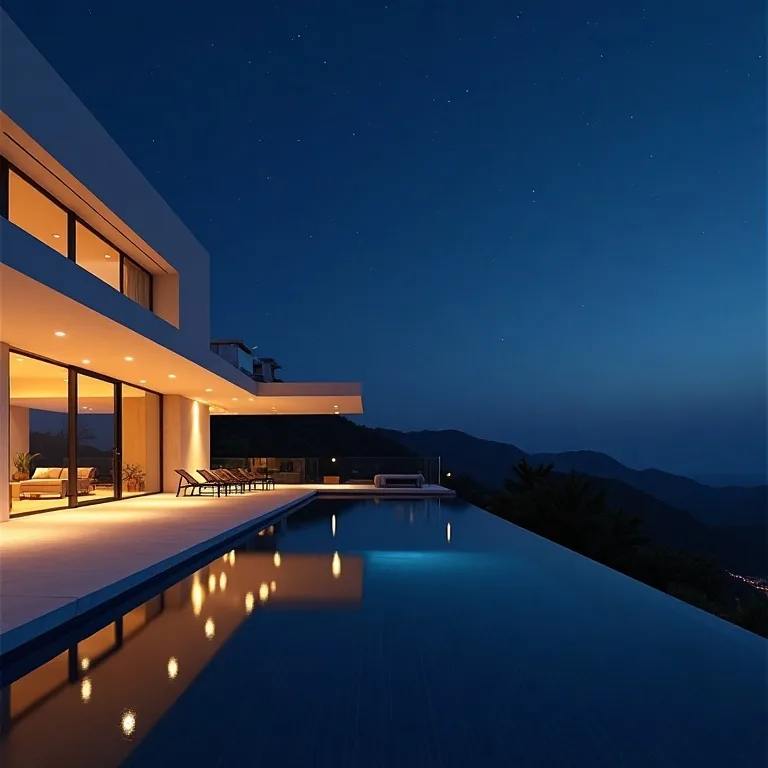
In residential and commercial projects most sales happen before the building exists; the buyer has to imagine sitting in the living room of a flat that is not there yet. For years this has been the job of 3D rendering studios: accurate, but expensive and slow. Waiting days for an alternative façade or a different interior style does not match the pace of a sales office. This is where AI comes in — not instead of the rendering studio, but next to it.
What AI does well
Given an architectural plan, a massing model or a single raw render, AI derives dozens of variations within minutes: day and night, summer and winter, different façade materials, different landscaping, the same living room furnished in modern, classic and Scandinavian styles. Answering a buyer's “what if the kitchen were dark?” inside the meeting, instead of postponing the conversation by a week, changes how a sales office works. The same goes for listing and social media images: one shoot turns into a season of content.
What it does not do — and should not
The model does not know the building's real dimensions, the floor plan, the façade proportions or the building code; producing a beautiful but wrong image is very easy. A balcony that grows by a metre, a window that never existed or a view that has been “improved” looks nice at the sale and turns into a complaint at handover. The rule is simple: geometry and technical accuracy come from the architect and the model; AI produces atmosphere, light, materials and the scene of life.
AI does not draw the project; it tells its story.
A pipeline that works
One: take a base render or line view from the architect-approved plan and massing model; it becomes the reference for every generation. Two: produce every variation anchored to that reference — façade and plan fixed, only materials, light, season and interiors change. Three: have the architect or project team review the output; dimensions and plan consistency are checked one by one, and anything that deviates is discarded. Four: label every published image as “representative” and never show anything that contradicts the technical specification. Five: size the approved images per channel — listing portals, social media, catalogue, sales-office screen.
Cost and the legal frame
Producing one variation costs cents; the real cost is review, and that cost should be kept on purpose. Advertising and listing images must not mislead consumers; stating that project visuals are representative is both a legal requirement and the cheapest insurance against later disputes. AI does not change that frame — it only lets you show far more options, far faster, within the same frame.
In short: AI visualization in construction is not magic that replaces the rendering studio, but a multiplier that translates its output into the language of sales. With reference-anchored generation, architect review and honest labelling in place, selling before completion becomes both faster and safer. If you are considering such a pipeline for your own project, get in touch.